
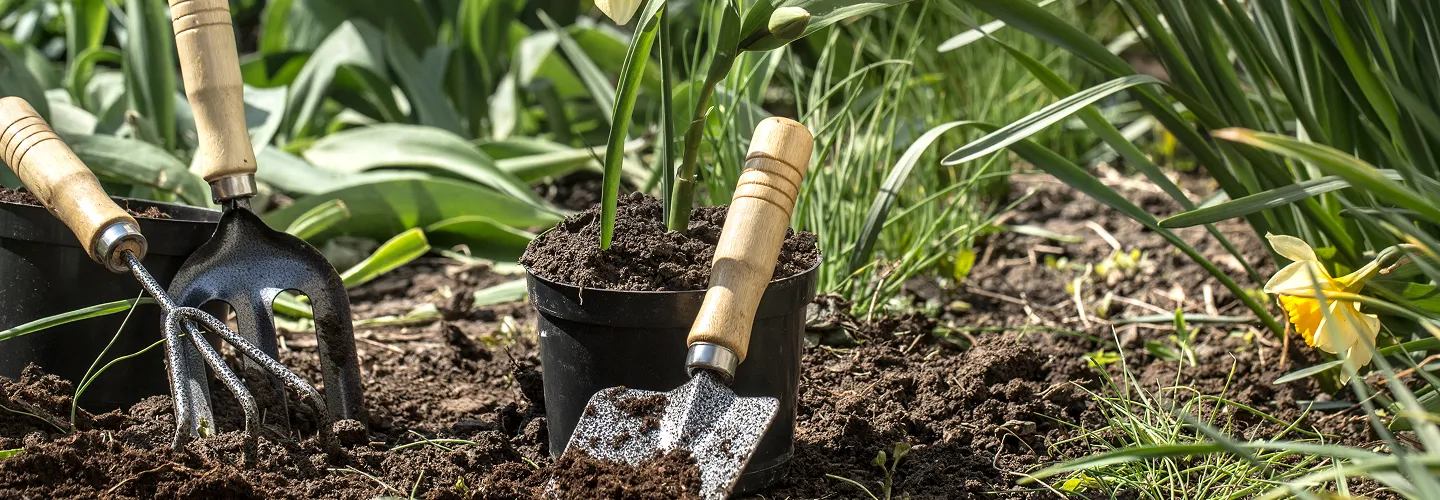
Tierra Verde Plant Removal Services
Choose our Plant Removal service for safe, thorough, and environmentally responsible solutions that restore your landscape’s beauty and health—handled by experienced professionals you can trust.
Get a Free QuoteOur Tierra Verde Landscaping & Yard Care Services
When to Schedule Plant Removal in Tierra Verde, Florida – Seasonal Guide
In Tierra Verde, Florida, the best time for plant removal is typically during the late winter to early spring months, before the onset of the region’s intense summer heat and humidity. This timing allows for easier root extraction and minimizes stress on the surrounding landscape, especially in neighborhoods like Monte Cristo and Sands Point, where mature shade trees and dense foliage are common. The area’s proximity to the Gulf means that soil can remain moist but well-drained, making it ideal for removal projects before the rainy season begins.
Local environmental factors such as the last frost date—usually in late January—should be considered, as well as the risk of drought during late spring. Tierra Verde’s sandy soils and high humidity levels can affect both the ease of removal and the recovery of your landscape. Additionally, municipal guidelines and neighborhood association rules, which can be found on resources like the Town of Sudbury website, may influence when and how plant removal services are scheduled.
Local Factors to Consider for Plant Removal in Tierra Verde
- Tree density and proximity to structures or utilities
- Terrain slope and soil composition (sandy, loamy, or clay)
- Seasonal precipitation patterns and risk of flooding
- Shade coverage from mature oaks and palms
- Municipal restrictions or permit requirements
- Wildlife habitats and protected plant species
By considering these local factors, homeowners in Tierra Verde can ensure that plant removal is performed efficiently and with minimal impact on their property.
Benefits of Plant Removal in Tierra Verde
Enhanced Curb Appeal
Improved Landscape Health
Increased Usable Space
Prevention of Pest Infestations
Efficient and Safe Removal
Customized Landscaping Solutions
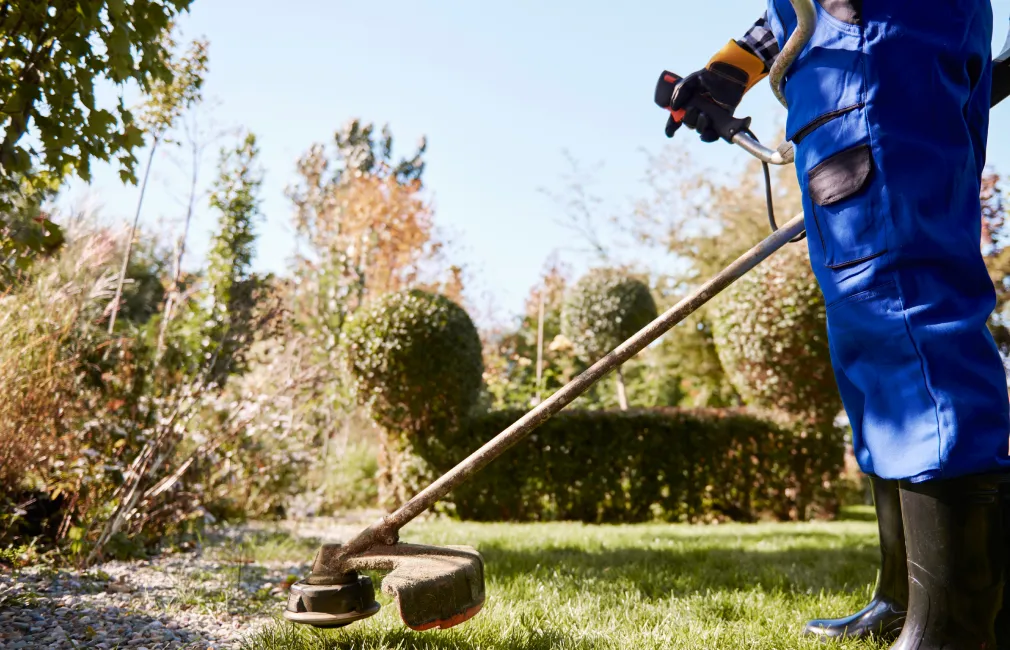
Tierra Verde Plant Removal Types

Tree Removal
-
Shrub Removal
-
Stump Grinding
-
Invasive Species Removal
-
Root System Extraction
-
Hedge Clearing
-
Overgrown Vegetation Removal
Our Plant Removal Process
Site Evaluation
Preparation and Safety Measures
Plant Extraction
Debris Removal
Site Restoration
Why Choose Tierra Verde Landscape Services
-
Tierra Verde Homeowners Trust Us
-
Expert Lawn Maintenance
-
Reliable Scheduling
-
Competitive Pricing
-
Professional Team
-
Satisfaction Guarantee
-
Personalized Service
Coordinating Plant Removal with Tierra Verde’s Public Works and Stormwater Programs
Plant removal in Tierra Verde, FL, requires careful coordination with municipal services to ensure that vegetative debris is managed in a way that protects local infrastructure and waterways. The Pinellas County Public Works Department oversees the collection and disposal of plant material, including roots, stems, and invasive species, to prevent blockages in drainage systems and stormwater facilities. Residents and property managers should separate plant debris from other waste and avoid placing it near swales, storm drains, or canal edges. For larger projects or removal near public rights-of-way, it is advisable to notify the department in advance to confirm collection procedures and avoid unintentional runoff or debris migration during the wet season. Proper scheduling and adherence to local guidelines help maintain neighborhood drainage and reduce the risk of flooding or water quality impacts.
Pinellas County Public Works Department
14 S. Fort Harrison Ave., Clearwater, FL 33756
Phone: 727-464-8900
Official Website: Pinellas County Public Works Department
How Tierra Verde’s Gulf Coast Conditions Shape Plant Removal Practices
Tierra Verde is situated on Florida’s Gulf Coast, characterized by a subtropical climate, high humidity, and a pronounced wet season from June through September. These conditions influence plant removal in several ways:
- Sandy and shell-influenced soils are common, leading to rapid drainage but also increased risk of erosion and nutrient leaching after root-zone disturbance.
- The high water table and proximity to canals and the Intracoastal Waterway mean that improper removal can quickly result in sediment or organic matter entering sensitive aquatic systems.
- Salt exposure from coastal winds affects both the types of plants present and the methods used for removal, as some species may be more resilient or invasive in these conditions.
Professionals must stabilize disturbed areas promptly, often using mulch or groundcover, to prevent runoff and protect water quality. The USDA Web Soil Survey and USDA Plant Hardiness Zone Map provide additional guidance on local soil profiles and plant resilience.
Regulatory Requirements and Environmental Compliance for Plant Removal in Tierra Verde
Plant removal activities in Tierra Verde are subject to both local and state regulations designed to protect public safety, property values, and environmental quality. Key compliance considerations include:
- Vegetative debris must not be disposed of in storm drains, canals, or public rights-of-way, as outlined by the Florida DEP NPDES Stormwater Program.
- Removal of invasive or nuisance species may be encouraged, but disturbance near water bodies or wetlands may require additional review to prevent erosion or habitat loss.
- Use of herbicides or pesticides for plant eradication must comply with FDACS Pesticide Applicator Licensing and The 2025 Florida Statutes - Chapter 487.
For projects involving significant site alteration or removal near property boundaries, residents should consult the county’s development review services to verify if permits or inspections are required.
Pinellas County Building and Development Review Services
440 Court St., Clearwater, FL 33756
Phone: 727-464-3888
Official Website: Pinellas County Building and Development Review Services
Professional Standards and Timing for Plant Removal in Tierra Verde’s Coastal Environment
Effective plant removal in Tierra Verde requires attention to both timing and technique to minimize environmental impact and maintain site stability. Key professional standards include:
- Scheduling removal outside of peak wet season when possible to reduce the risk of soil erosion and runoff into adjacent canals or storm drains.
- Using manual or mechanical extraction methods that minimize disturbance to surrounding soil, especially in sandy or fill-based areas.
- Promptly stabilizing exposed soil with mulch, erosion-control fabric, or approved groundcovers to prevent sediment migration.
- Ensuring all debris is collected and transported according to municipal guidelines, avoiding accumulation near drainage inlets or public rights-of-way.
The EPA Stormwater Discharges from Municipal Sources and UF/IFAS Gardening Solutions - Protecting Florida’s Water Resources offer further technical guidance on runoff prevention and site restoration.
Pinellas County Urban Forestry and Landscape Services
22211 US Hwy 19 N, Clearwater, FL 33765
Phone: 727-582-2100
Official Website: Pinellas County Urban Forestry and Landscape Services
What Neighborhoods Do We Serve Throughout Tierra Verde, FL?
- Monte Cristo This area features mature landscaping and larger lots, often adjacent to canals, requiring careful debris management to protect water quality.
- East Shore Known for its proximity to the Intracoastal Waterway, East Shore properties face salt exposure and drainage sensitivity during plant removal.
- West Shore With a mix of older homes and newer infill, West Shore lots may have fill-based soils and require stabilization after root disturbance.
- Pinellas Bayway South This corridor includes multi-family and single-family residences with HOA landscaping standards and access constraints for removal equipment.
- Isla Del Sol vicinity Properties near Isla Del Sol often border wetlands or preserves, making regulatory compliance and erosion control especially important.
- Bayway Isles Waterfront lots in Bayway Isles demand extra attention to runoff prevention and adherence to municipal debris collection schedules.